Robotics can wait. Service clarity cannot.
Plumbing robots may be possible by 2050, but skilled humans remain essential. Here is how productized service offers can improve home services today.
By Omar Kharbat · · 6 min read
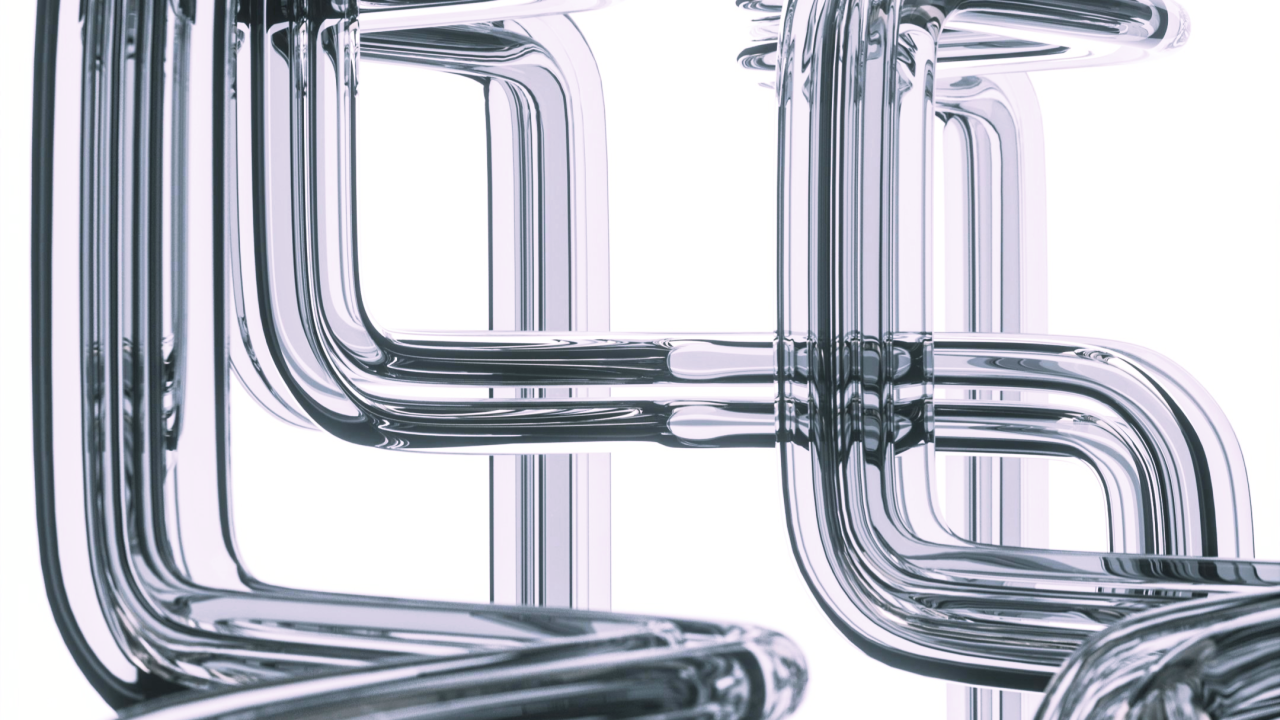
Plumbing robots by 2050: possible, but not predictable
Could a robot diagnose a residential plumbing problem, choose the right parts, work safely in a cramped cabinet, protect the property, explain the repair, and take responsibility for the result by 2050? It may be possible. It is not a forecast anyone can verify today.
Robotics is advancing quickly. Google DeepMind’s current robotics models can reason about physical environments, plan multistep tasks, follow natural-language instructions, and perform forms of dexterous manipulation. Researchers have also developed specialized robots that travel through pipes for inspection and rehabilitation.
That is meaningful progress—but it is not the same as an autonomous plumber who can handle the unpredictable conditions of an occupied home.
A pipe robot is not yet a service professional
Specialized machines work best when the environment and task are tightly defined. Residential plumbing is rarely that clean.
The visible leak may be caused by a failed connection, excess pressure, corrosion, movement, a damaged fixture, poor installation, or a problem hidden behind a wall. The professional must assess the building, control water, protect finishes, recognize hazards, follow applicable codes, communicate options, source compatible parts, and adapt when the first plan does not fit reality.
Google DeepMind itself describes contextual, multistep physical tasks as challenging for robots today. General-purpose models are improving, but real homes combine unusual layouts, old repairs, limited access, water, electricity, contamination, pets, occupants, and consequences for mistakes.
Until then, skilled humans still matter
For the foreseeable future, home service depends on people who arrive with tools, experience, judgment, and sometimes a few nicks and scratches earned from real work.
AI can already help those professionals. It can organize customer information, suggest questions, identify likely parts, document conditions, prepare estimates, route appointments, retrieve manuals, and make service offers easier to discover. Robots may increasingly assist with inspection, measurement, transport, repetitive motion, or work inside pipes.
The most credible near-term model is assistance, not a promise that every plumber will be replaced.
The problem we can solve today is service clarity
A homeowner does not need to wait for a humanoid robot to get a better buying experience. The service itself can become clearer now.
Instead of advertising only “plumbing,” a professional can publish a specific offer such as a water-heater assessment, faucet replacement, toilet installation, drain diagnostic, shutoff-valve replacement, or visible-leak inspection.
Each offer can explain the starting scope, what is included, what is excluded, service area, expected timing, pricing approach, permit assumptions, warranty information, and the details the buyer should provide. Clear service products help buyers understand the next step and help professionals avoid paying for vague leads.
Structured service offers also prepare the industry for AI
AI systems work better when they can read dependable service data. A defined offer gives an AI assistant something useful to match against a buyer’s location, property context, problem, timing, and budget.
That helps skilled humans today. It may also become part of the operating layer for future machines. Whether the work is eventually performed by a plumber, a plumber using robotic tools, or a more autonomous system, the task still needs a clear outcome, scope, constraints, price, and accountable provider.
Productizing the service is not waiting for automation. It is building the structure that makes better coordination possible.
What Boots & Ladders is building now
Boots & Ladders is focused on the part the industry can improve today: turning local services into clear, upfront-priced products that are easier to find, compare, request, and hire.
That means helping professionals describe real work instead of competing for undifferentiated leads. It means giving buyers a clearer starting point and giving AI systems more trustworthy information about who offers what, where, under which conditions, and at what price.
Plumbing robots may be possible by 2050. Until then, we still need skilled humans—and we can make it much easier to hire them now.
The robots can come later.
Google DeepMind: current progress and limits in physical-world robotics
Keep reading
Stargate Is Not Possible Without Productized Services
Why advanced AI and physical-world automation still depend on clearly scoped, repeatable, productized services.
· 3 min read
Software for the Trades Is Built to Sell Leads, Not Deliver Results
Why trade software should move beyond lead capture and sales scripts toward productized work orders, AI matching, and real completed outcomes.
· 3 min read
Productized Services, Ready to Go
How Boots & Ladders turns local services into simple, clear offers buyers can understand and request quickly.
· 4 min read
AI Discoverability: Why Service Pros Need to List Their Offers Now
How local service professionals can prepare for AI-driven discovery by publishing specific offers, answering buyer questions, and building trustworthy service data now.
· 6 min read