A practical first-week launch plan
A practical first-week guide to researching local demand, building a personal service brand, publishing a focused offer, and establishing your online presence.
By Omar Kharbat · · 7 min read
Updated
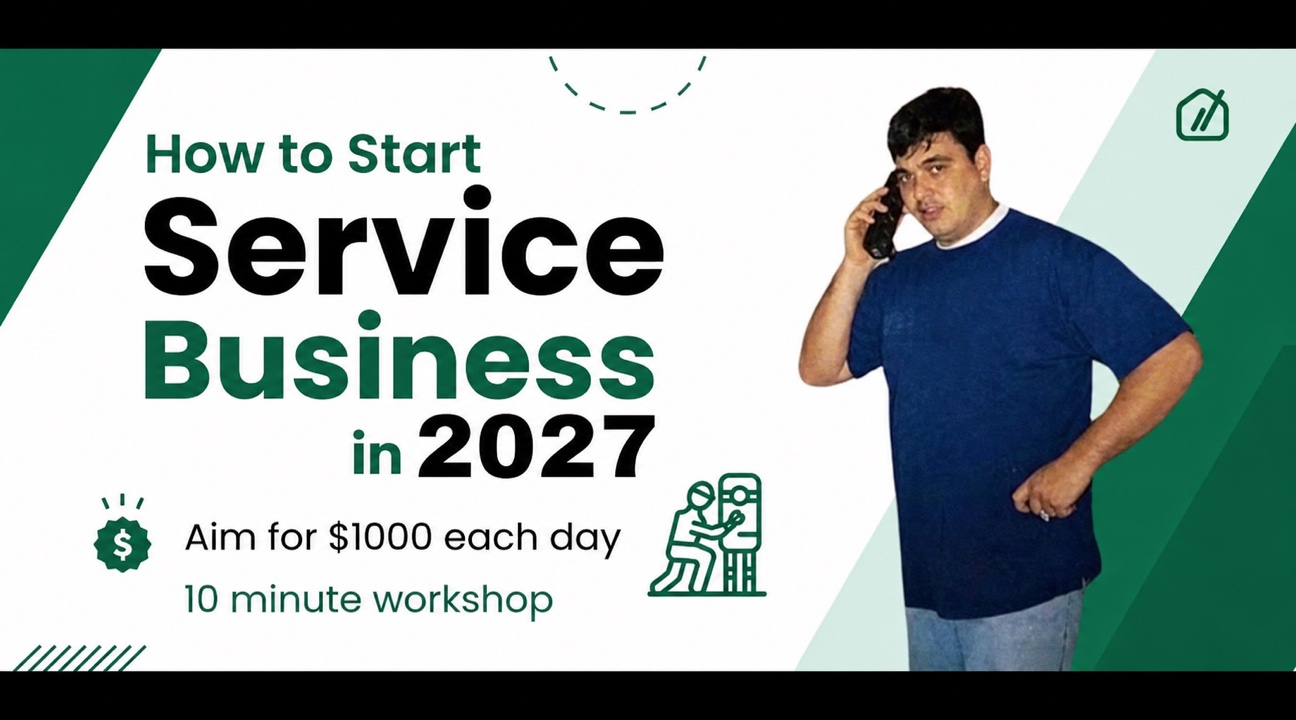
If you already have the skill, begin with direction
Knowing how to perform a service is a strong starting point, but it is not yet a business model. Before buying more equipment or designing a logo, identify a specific service that people in a specific area already need.
The U.S. Small Business Administration recommends researching demand, market size, customer location, market saturation, and prevailing prices. That small amount of research can keep a capable professional from launching the wrong offer in the wrong territory.
Step 1: Find the service demand and the best area
Start with the skills you can deliver safely, legally, and consistently. Then compare them with local demand.
Google Keyword Planner can suggest related search terms and provide estimates of monthly searches. Boots & Ladders can also help you study the language buyers use in service requests and the way comparable professionals package their offers. Community discussions, property age, climate, seasonality, and conversations with past customers add useful local context.
Do not treat search volume as a promise of sales. Use it as one signal. A good starting offer sits where your ability, buyer demand, pricing, travel distance, competition, and repeatability overlap.
Choose one service, one customer type, and one practical service area for your first test. A focused launch is easier to price, explain, schedule, and improve than a menu of everything you might be able to do.
Step 2: Build a personal media kit, not just a logo
A logo and business name can help people remember you, but service buyers are deciding whether to trust a person in their home, business, or project. You are an important part of the brand.
Create a simple collection of clear, well-lit images: a friendly portrait, a photo of you holding the tools used for the service, an image of you performing the work safely, and honest before-and-after examples when appropriate. Wear the same clean work clothing customers will see on the job.
Task-relevant images usually communicate more than an unrelated stock photo. Look toward the camera in your primary profile photo, and use action photos to show how the service is performed. Never stage unsafe work, misrepresent another professional’s project, or use customer-property images without permission.
Add a short biography, service area, credentials where relevant, contact method, and a plain-language explanation of the result you provide. That is a useful starter media kit.
Step 3: Publish a focused service offer
Do not merely list “plumbing,” “cleaning,” or “landscaping.” Turn the first service into an offer a customer can understand.
Name the outcome. State what is included and excluded. Define the service area, expected duration, pricing method, and information the buyer must provide. Add real photos and answer the questions customers commonly ask before booking.
A focused offer becomes the source material for your directory profiles, social posts, estimates, and referral conversations. It also gives you something measurable to improve after the first few jobs.
Step 4: Establish your free online presence
Claim the legitimate free profiles that matter to your customers and keep the business name, phone number, service area, and description consistent. Start with Boots & Ladders, your relevant social profiles, and established local or trade directories.
A Boots & Ladders listing can organize your service offers and portfolio into a shareable professional profile. You can use that profile as an early online home for the business while you validate demand, without managing separate website hosting at the beginning.
A marketplace profile does not eliminate every marketing or search task, and no platform can guarantee demand. You still need accurate information, good service, timely responses, reviews, and regular updates. The advantage is that each clear offer strengthens a growing network of service information rather than leaving your work hidden in disconnected posts.
Step 5: Complete the business basics
Visibility should not get ahead of readiness. Choose an appropriate business structure, register the business when required, obtain applicable licenses and permits, set up tax and banking records, and carry the insurance appropriate to your work and location.
Requirements vary by trade and jurisdiction. Check state and local agencies instead of assuming that a directory profile authorizes regulated work.
Your first-week launch plan
Day one: list the services you can deliver well. Day two: compare local demand, prices, and competition. Day three: select one focused offer and service area. Day four: photograph yourself, your tools, and representative work. Day five: write the scope, exclusions, price method, and common answers. Day six: publish the offer and complete your key profiles. Day seven: share the offer with people who already know your work and ask for specific feedback.
You do not need a perfect brand or a large website to begin. You need evidence of demand, a trustworthy presentation, a clear offer, and a small real-world test. Start focused, learn from every request, and let the service network grow with the business.
U.S. Small Business Administration market research guidance
Keep reading
How to Choose a Profitable Niche for Your Service Business
A five-part method for choosing a service-business niche based on ability, local demand, repeatability, economics, and a focused real-world test.
· 6 min read
How to Start a Service Business and Build Toward $1,000 Per Day
A short workshop on choosing practical services, pricing them clearly, and building a local service business around repeatable offers.
· Video
How to List an Effective Service Offer in Under 5 Minutes
A quick walkthrough showing service pros how to turn a skill into a clear, bookable Boots & Ladders service offer.
· Video
Productized Services, Ready to Go
How Boots & Ladders turns local services into simple, clear offers buyers can understand and request quickly.
· 4 min read